
How to Choose the Right Phone Case: A Buyer’s Guide
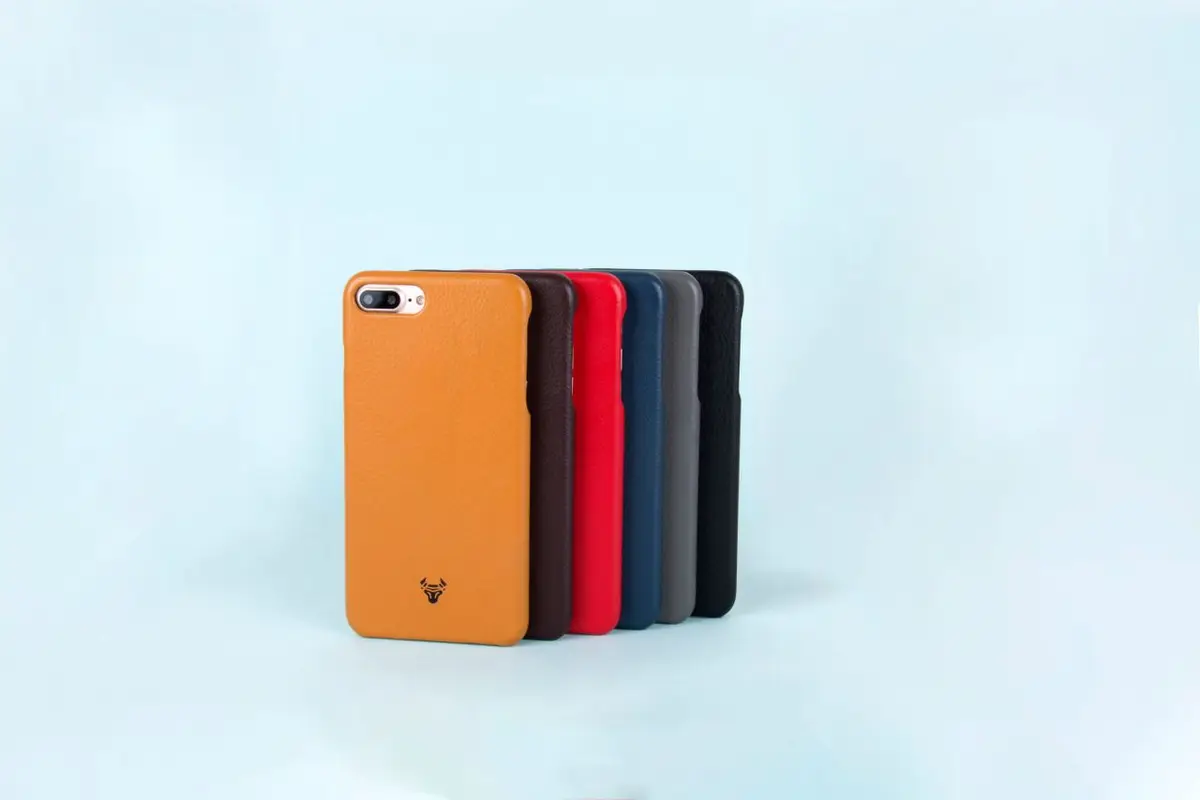
The right phone case is the one that matches how you actually use your phone: a slim case with raised edges suits most people, a rugged case suits work sites and frequent droppers, and a wallet case suits people who want cards and phone in one. Fit, raised edges and grip matter more than the label. Here is how to choose.
Which type of case fits how you use your phone?
Start with your daily routine. Where you work, how often you drop your phone, and what else you carry decide the right type more than looks do.
- Rugged or heavy-duty cases: best for job sites, warehouses, the outdoors and people who drop their phone often. Thicker, with reinforced corners and often a built-in screen frame.
- Slim protective cases: minimal bulk with everyday drop protection. A good fit for most people.
- Leather and designer cases: a premium look and feel with solid everyday protection. Leather develops a patina over time.
- Wallet and folio cases: card slots and a cover over the screen. Handy if you want to leave your wallet at home.
- Clear cases: show the phone color while protecting it. Look for an anti-yellowing material.
- Kids and shared-phone cases: thick, soft, easy-grip shells, often with a handle or stand.
What makes a phone case actually protective?
The features that matter most are raised edges around the screen and camera, cushioned corners, and a snug fit. Most drops land on a corner or edge, and most cracked screens and lenses happen when the glass touches the ground first.
- A raised lip around the screen so the glass does not hit a flat surface face down.
- A raised ring around the camera bump so the lenses are not the first thing to touch a table or the ground.
- Shock-absorbing corners, often with air pockets or thicker TPU.
- A precise fit for your exact model with no gaps or loose spots.
- A grippy, non-slip texture on the sides so it is less likely to slide out of your hand in the first place.
Do drop ratings like “military-grade” mean anything?
They are a rough guide, not a guarantee. “Military-grade” usually refers to a manufacturer running drops loosely based on the MIL-STD-810 test standard, but the brand chooses the height, surface and number of drops, and the results are not independently certified.
A stated drop height, such as protection from a certain number of feet, is more useful than a slogan when comparing cases from the same brand. Even then, the angle and surface of a real drop matter a lot. Pair any case with a screen protector for the best result.
Do I need a MagSafe-compatible case for my iPhone?
If you use MagSafe chargers, car mounts, wallets or stands, yes. iPhone 12 and newer have a ring of magnets on the back, and a thick case without its own magnets weakens or blocks that connection.
A MagSafe-compatible case has a magnet ring built in, so accessories snap on firmly and wireless charging lines up correctly. Many Android phones do not have built-in magnets, but some cases add a magnetic ring so you can use the same style of mounts and chargers.
Will a case affect wireless charging?
A normal case usually will not. Most plastic, silicone and leather cases under a few millimeters thick charge wirelessly without issue.
Very thick rugged cases, metal plates for magnetic car mounts, and wallet cases with cards in the back can slow or stop wireless charging. Bank cards and hotel key cards can also be damaged by magnets and charging coils, so keep them out of the path if you charge wirelessly.
Clear case or colored case?
A clear case lets your phone's color show, while a colored or textured case hides scratches and fingerprints better. The main downside of clear cases is yellowing from UV light and skin oils over time.
Clear cases made from polycarbonate backs with treated TPU edges usually hold their clarity longer than all-soft TPU cases. If a clear case starts to yellow, it is still protective; it just looks older.
How often should I replace my phone case?
Replace it when the corners are cracked or compressed, the edges are loose, or the case no longer fits snugly. A case that has taken a hard drop may have done its job and lost some of its shock absorption.
Also check underneath it now and then. Sand and grit trapped between the case and the phone can scratch the back and frame, so take the case off and wipe both every few weeks.
Common case-buying mistakes
- Buying a case for a similar model. Camera layouts and button positions change between generations, even when phones look the same.
- Choosing a case with no lip around the screen and expecting it to prevent screen cracks.
- Skipping the screen protector, or buying one that conflicts with the case edges.
- Picking a very slippery finish that looks good but makes drops more likely.
- Forgetting MagSafe compatibility if you already own magnetic accessories.
See and feel cases in person
A case is easier to choose in your hand than from a photo. Our store at 3409 Watt Ave, Sacramento, CA 95821 carries cases for current iPhone, Samsung Galaxy and Google Pixel models, from slim and clear to rugged, wallet and leather, plus screen protectors to match. Bring your phone and try a few on. Accessory prices in store include sales tax. We are open Monday to Thursday 10 AM to 7:30 PM and Friday to Sunday 10 AM to 7 PM, or call (916) 937-1888 to check we have your model.